




Electrum Premium Tattoo Supply
We are committed to providing tattoo artists with the best selection of top-quality tattoo products to enhance the craft. Our extensive inventory of tattoo supplies includes premium tattoo inks, tattoo needles, tattoo machines, and cartridge tattoo needles, ensuring you have the essential tools for exceptional artistry. We also offer a range of medical supplies, such as tattoo anesthetics and ointments, to support safe and comfortable tattooing experiences.
With a focus on quality, innovation, and customer satisfaction, Electrum Supply is your trusted partner in the tattoo industry, indlucing tattoo wholesale. Explore our diverse product lineup today, including Electrum Ink, and discover why professionals choose us for their tattoo supply needs.
Featured Tattoo Supplies
Built by artists, trusted by professionals.
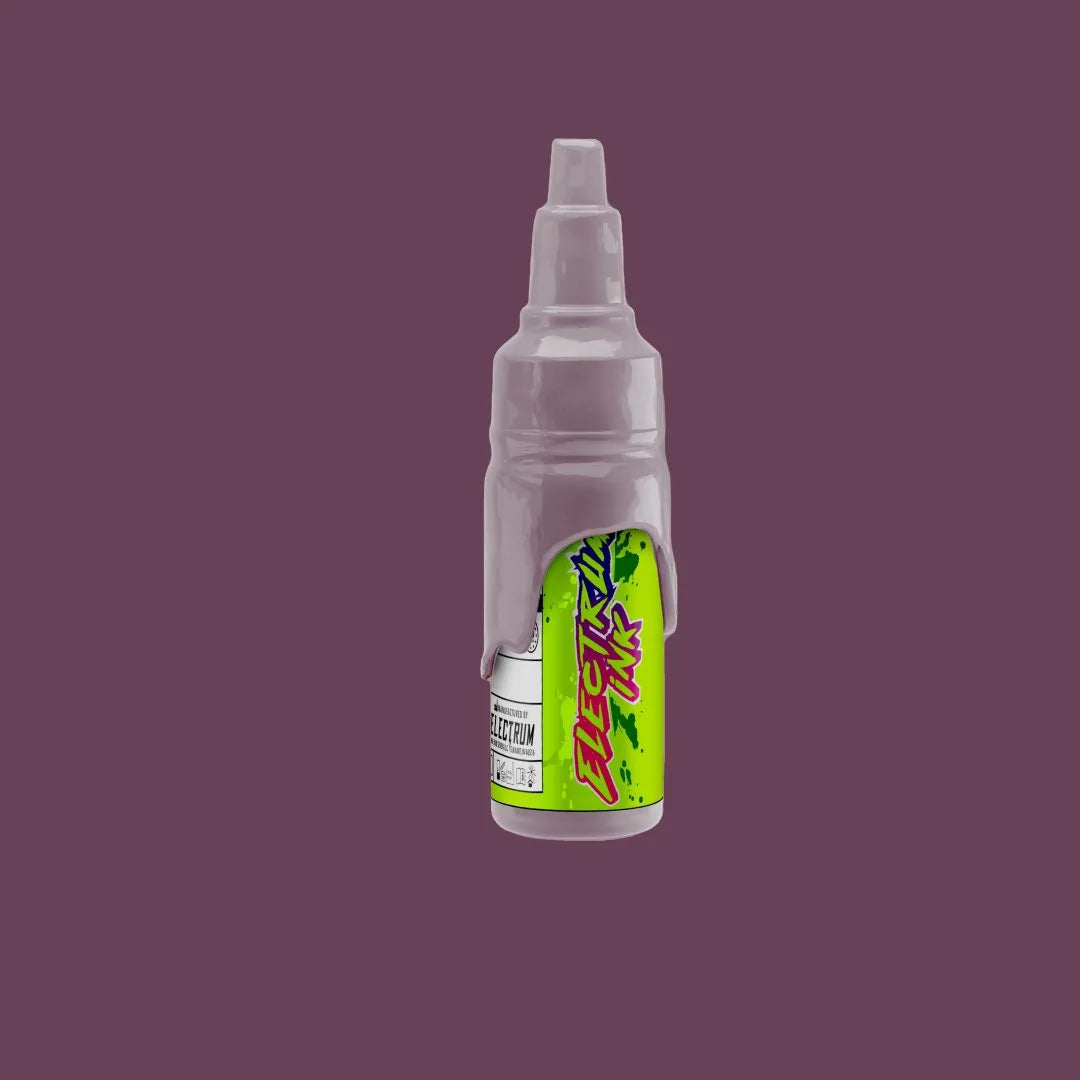
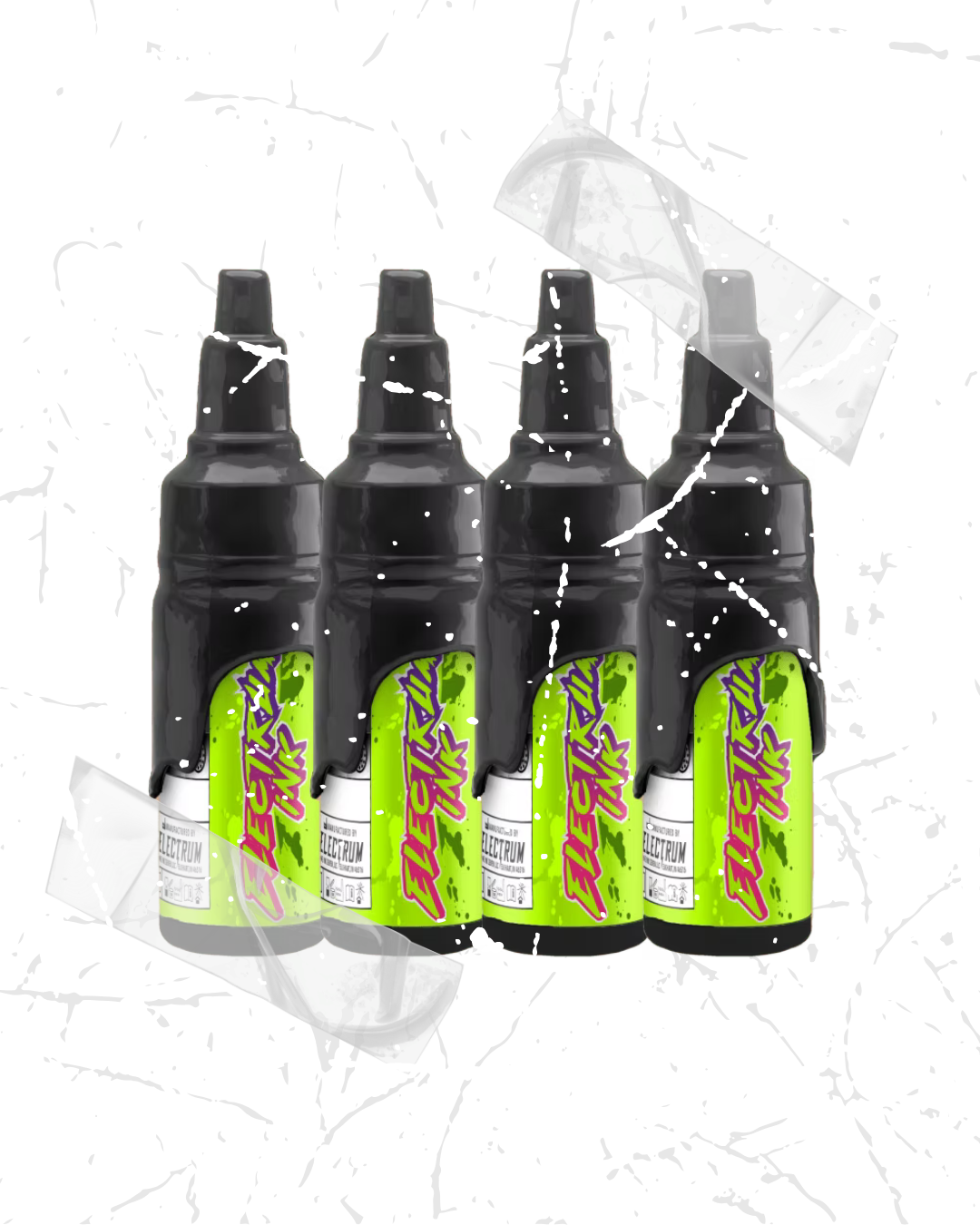
Electrum Ink - Huckleberry - (Part of Cowpoke Tattoo Ink Set)
Choose your option
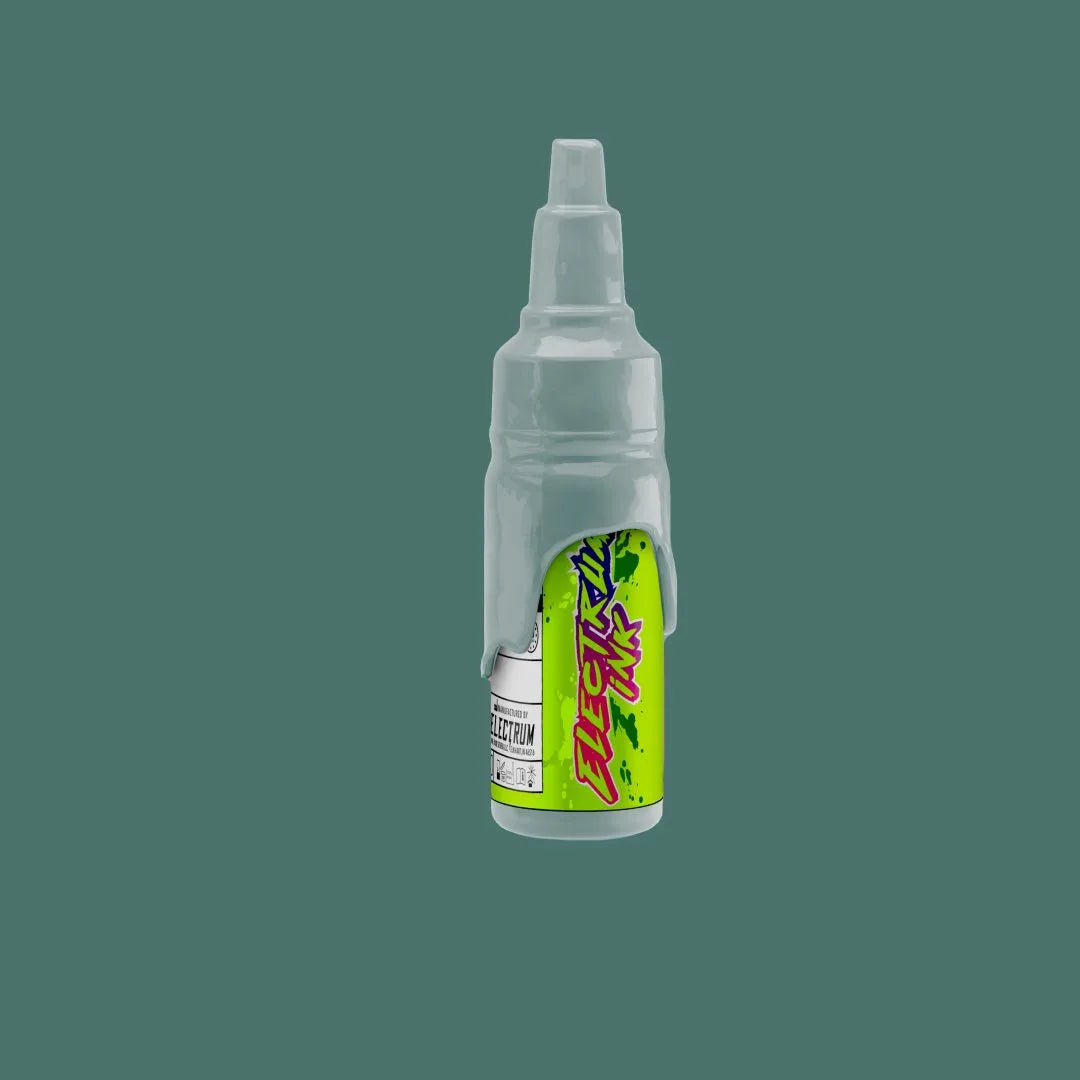
Electrum Tattoo Ink - Gunslinger - (Part of Cowpoke Tattoo Ink Set)
Choose your option
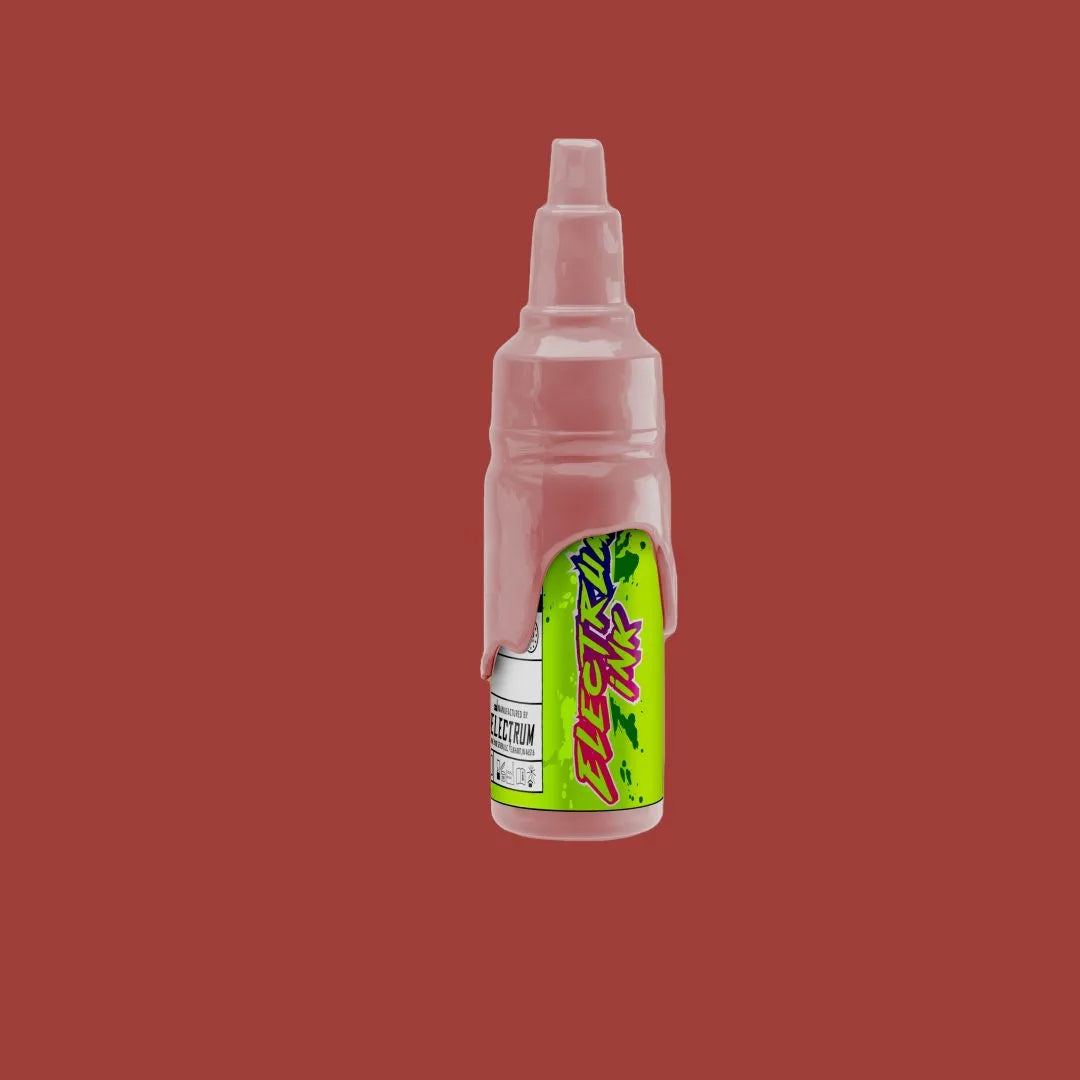
Electrum Ink - El Paso - (Part of Cowpoke Tattoo Ink Set)
Choose your option


Electrum Ink - Cowpoke 8 Color Tattoo Ink Set
Choose your option

Electrum Ink - Deadwood - (Part of Cowpoke Tattoo Ink Set)
Choose your option
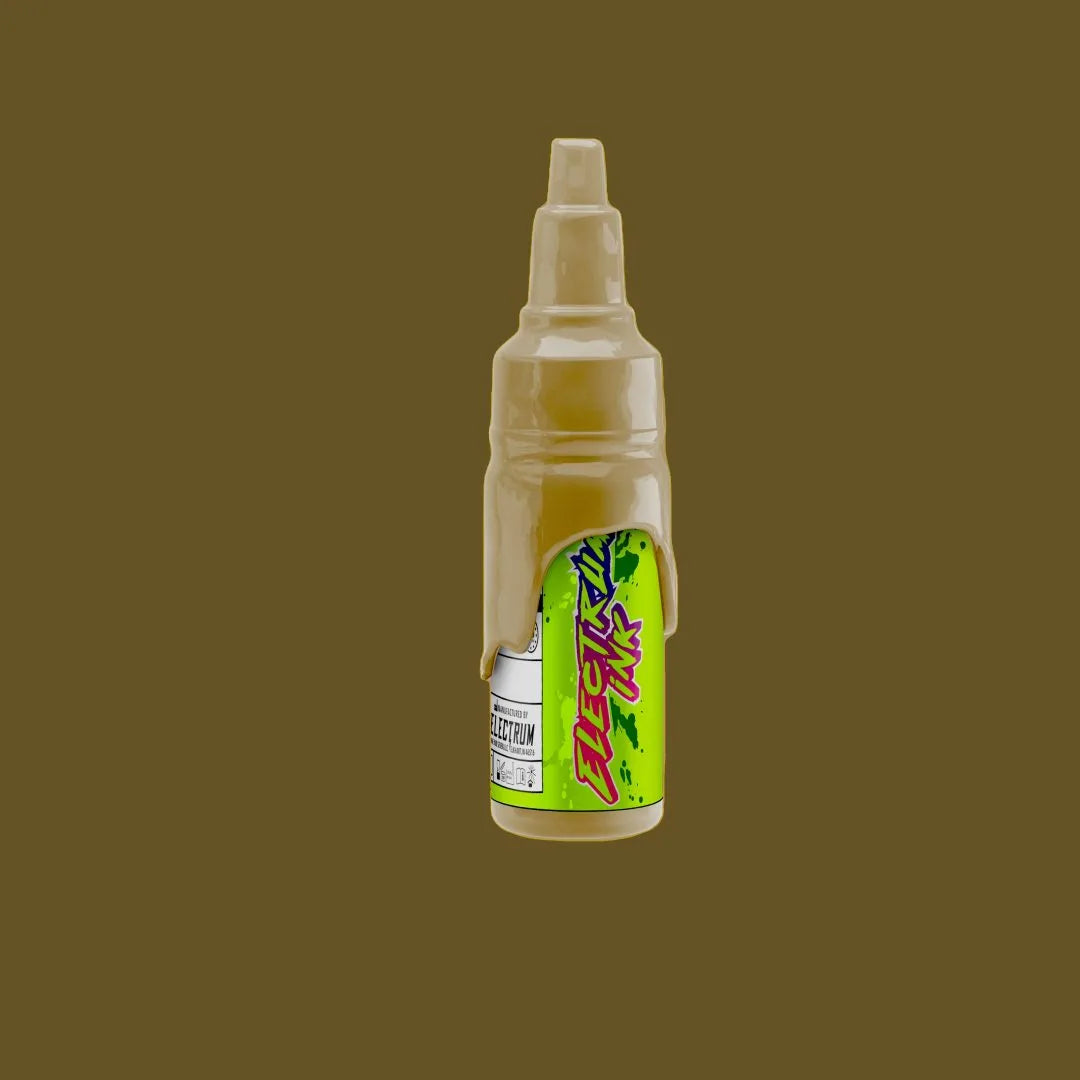
Electrum Ink - Fools Gold - (Part of Cowpoke Tattoo Ink Set)
Choose your option
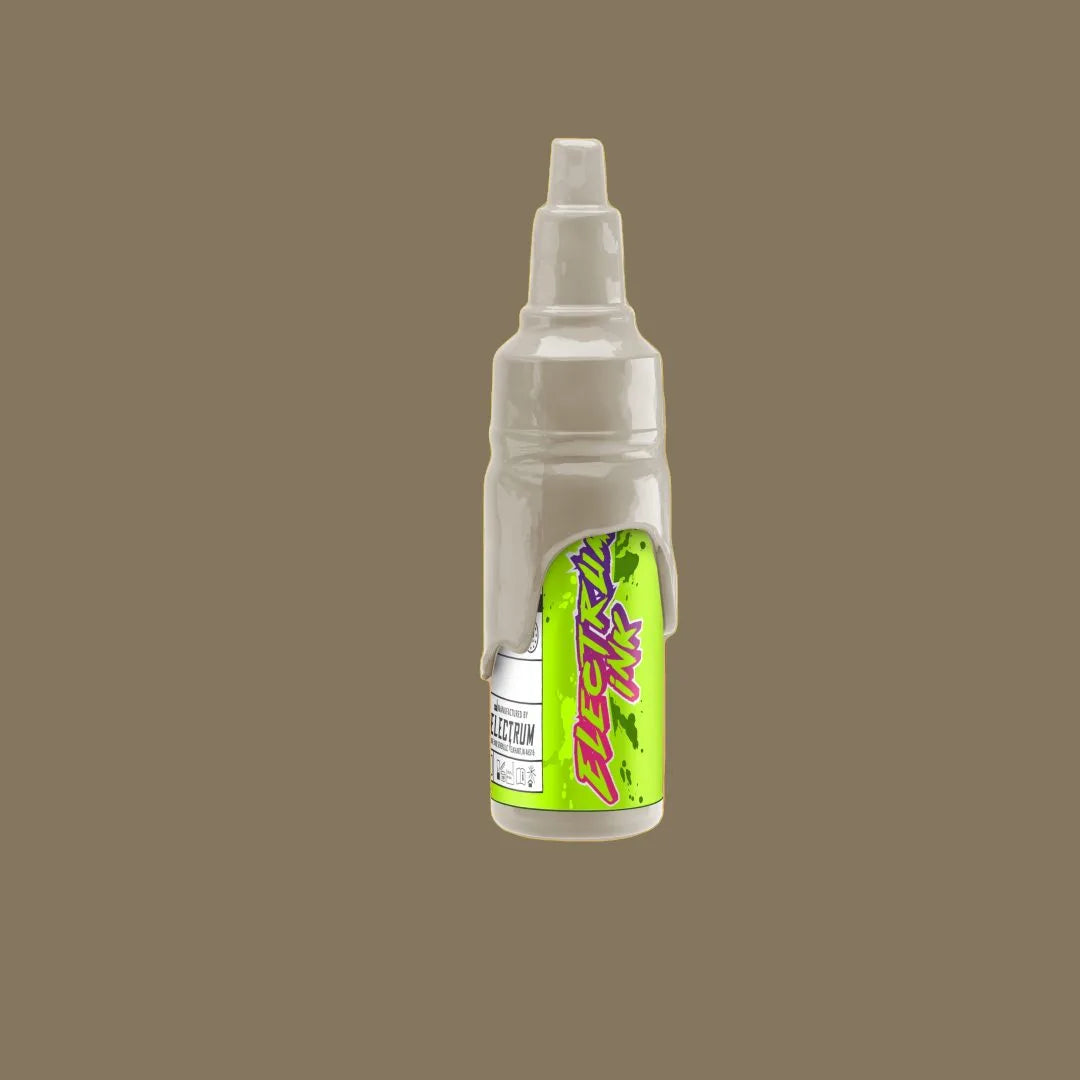
Electrum Ink - Snake Oil - (Part of Cowpoke Tattoo Ink Set)
Choose your option


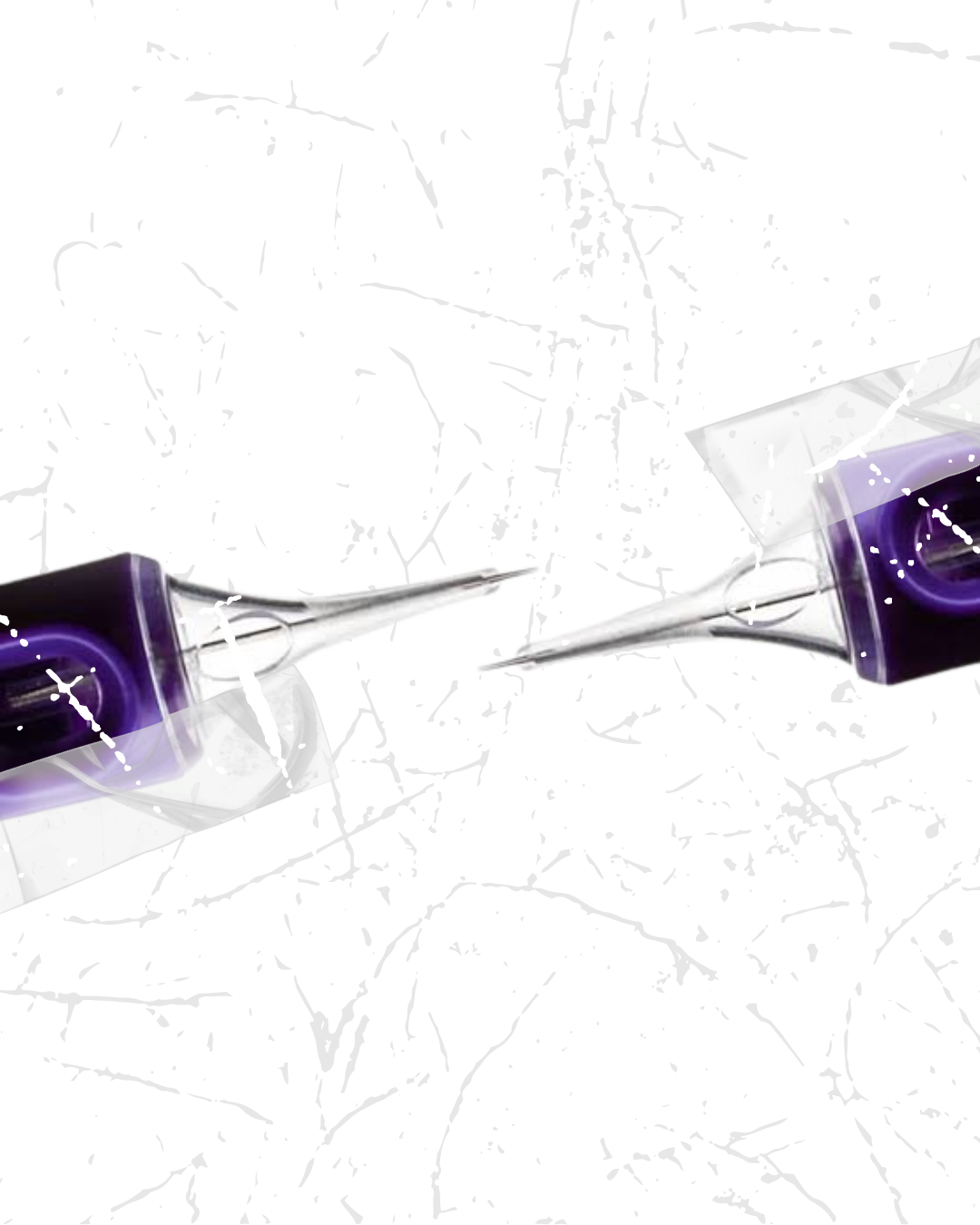
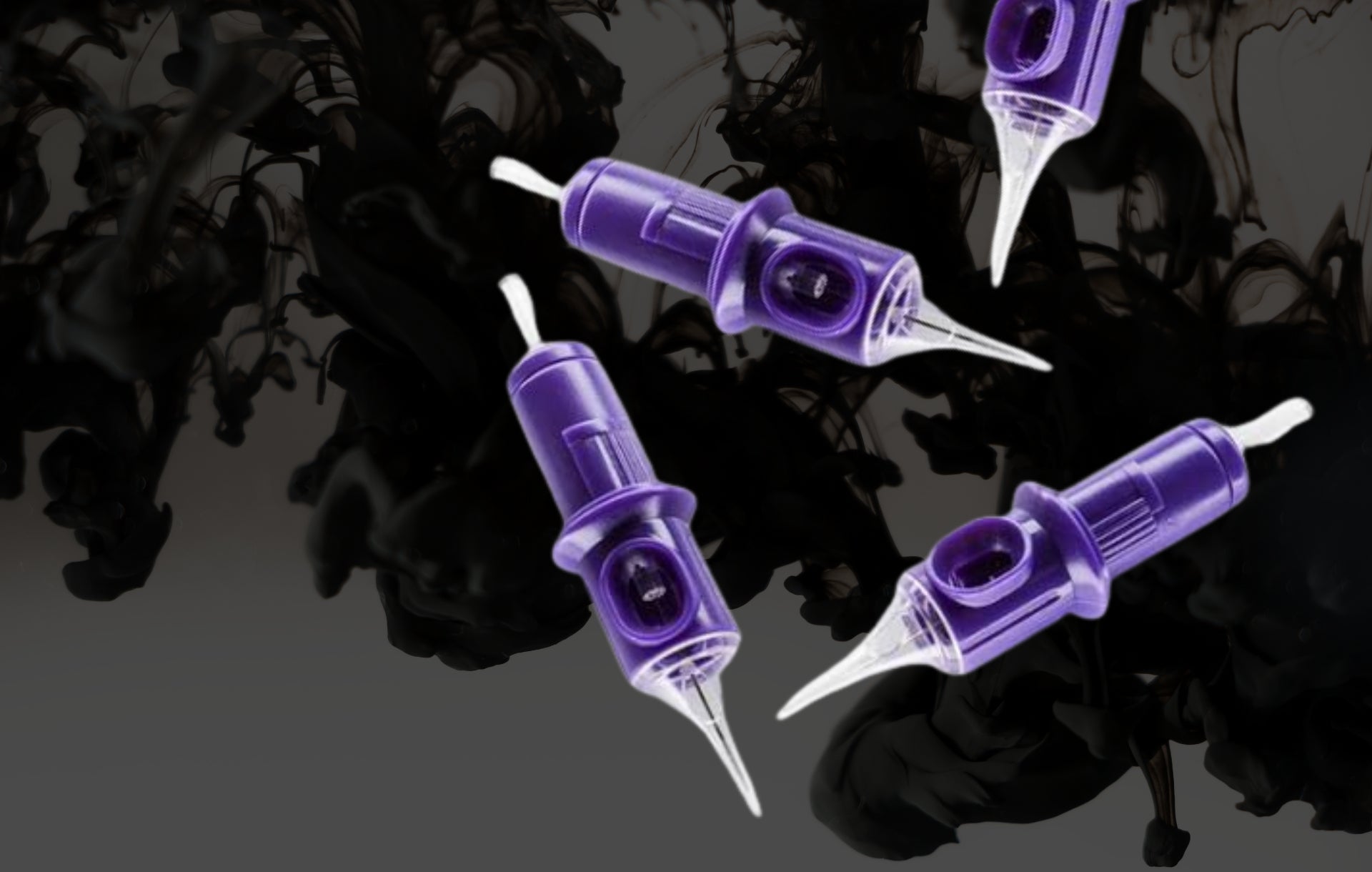
Electrum Gold Standard Cartridge Needles - Round Liner (Regular Tight)
Choose your option


Electrum Gold Standard Cartridge Needles - Curved Magnum
Choose your option


Electrum Gold Standard Cartridge Needles - Round Shader
Choose your option


Electrum Gold Standard Cartridge Needles - Bugpin Round Liner
Choose your option


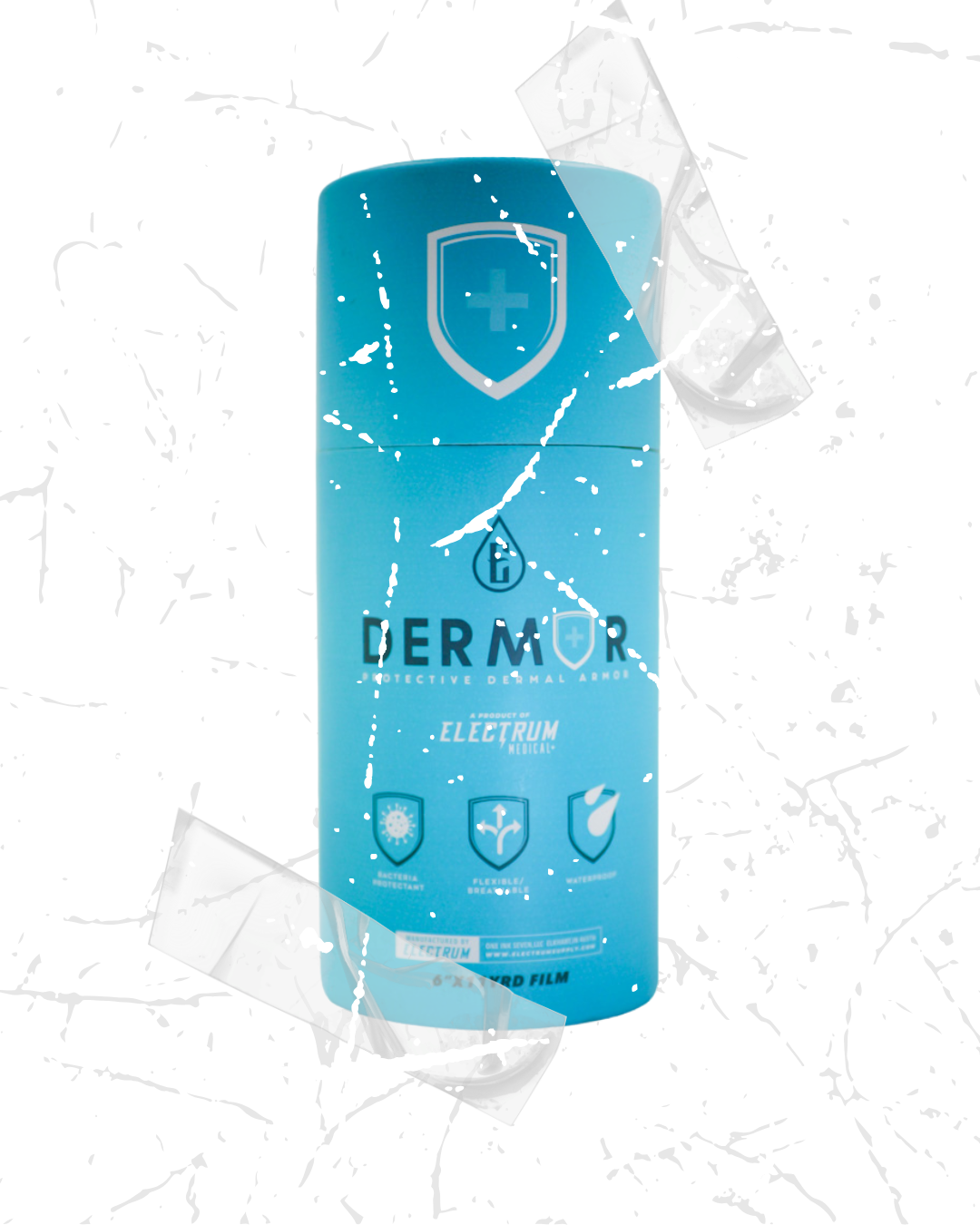
Electrum DERMOR Protective Dermal Armor
Choose your option


Electrum Gold Standard Cartridge Needles - Round Liner (Super Tight)
Choose your option


Electrum Gold Standard Cartridge Needles - Bugpin Curved Magnum
Choose your option
We Have Moved
We’ve moved our warehouse and storefront from CR 45 to 1527 W. Wilden Ave.
Thank you for your patience and for being part of the Electrum family.
Full details available in our blog post below.
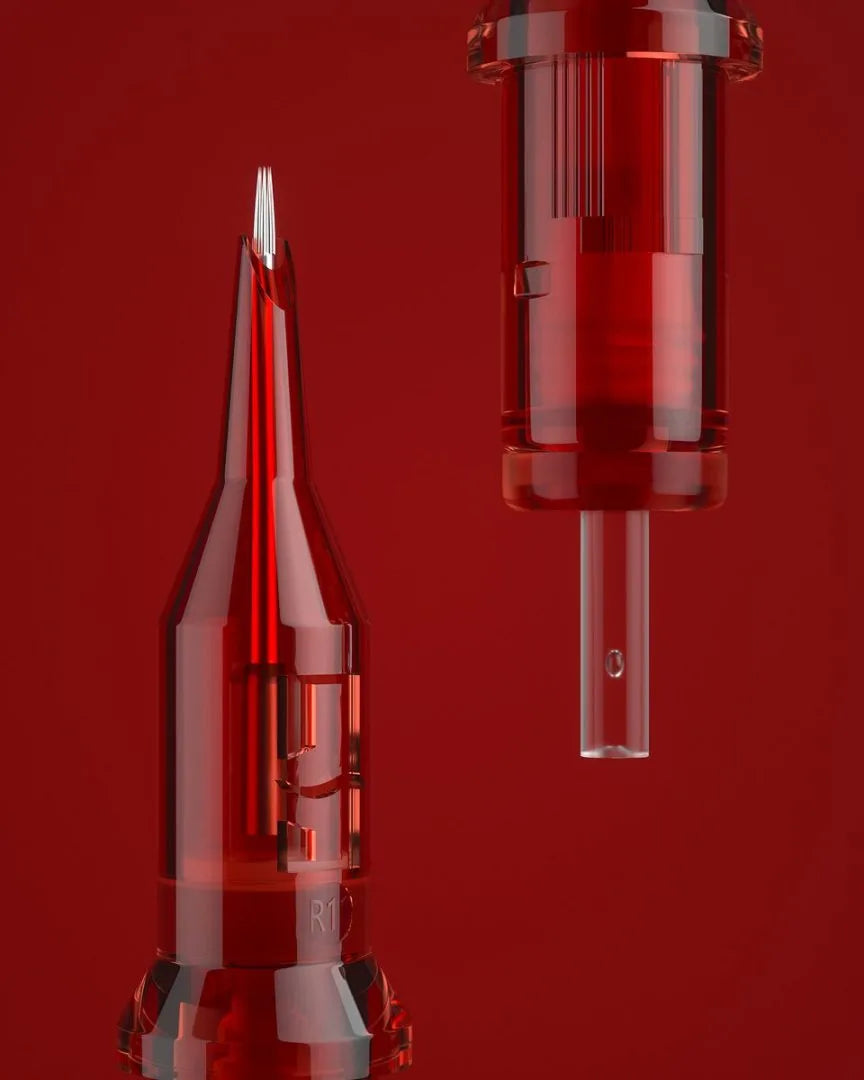
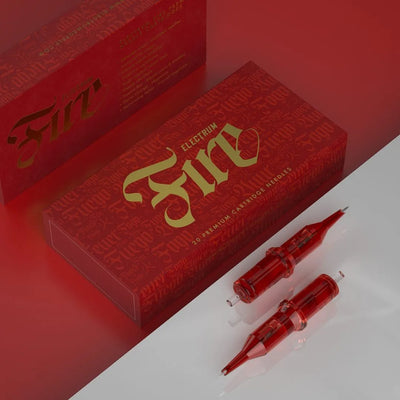
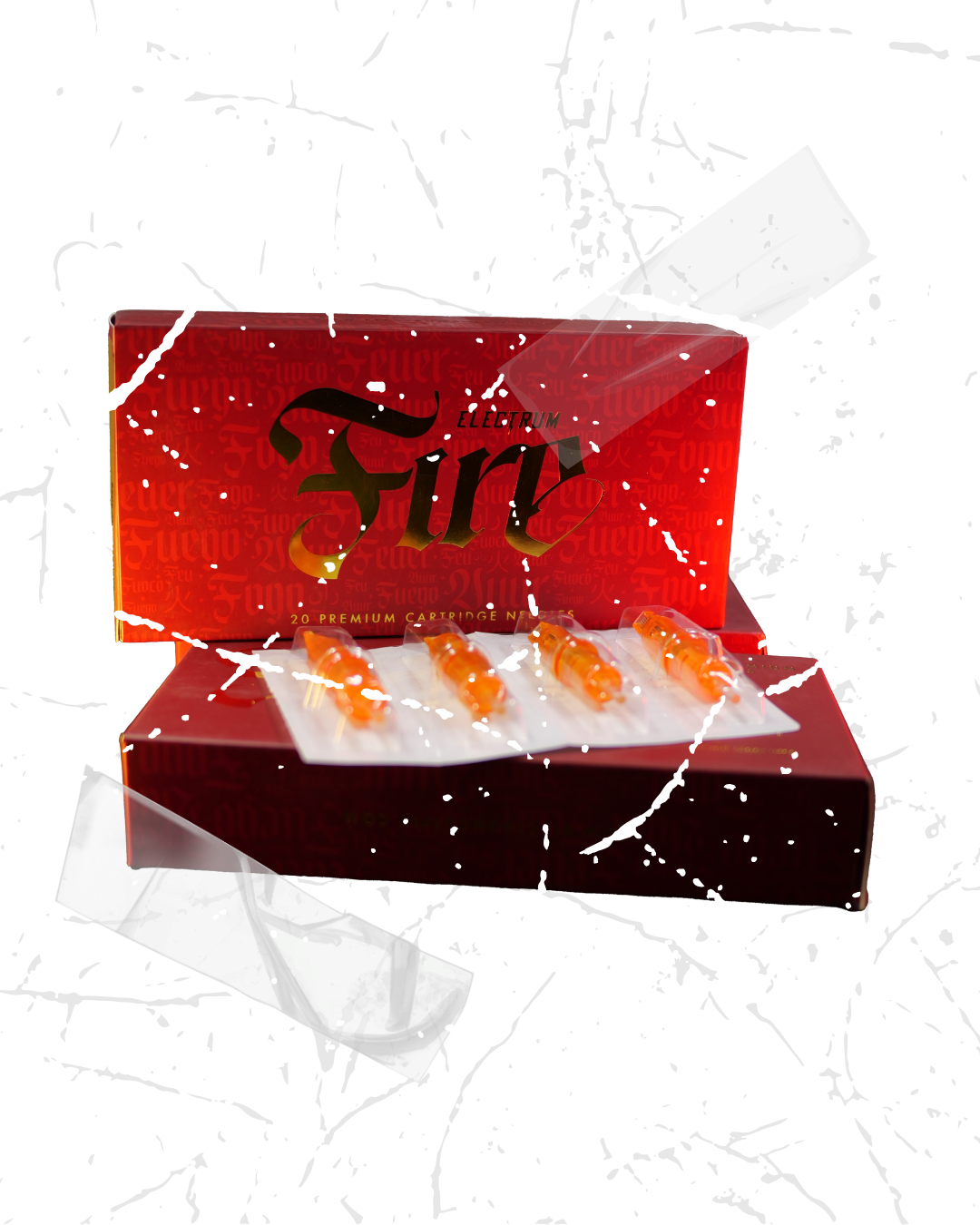
Start Playing with Fire
- Safe AF - Industry standard internal membrane
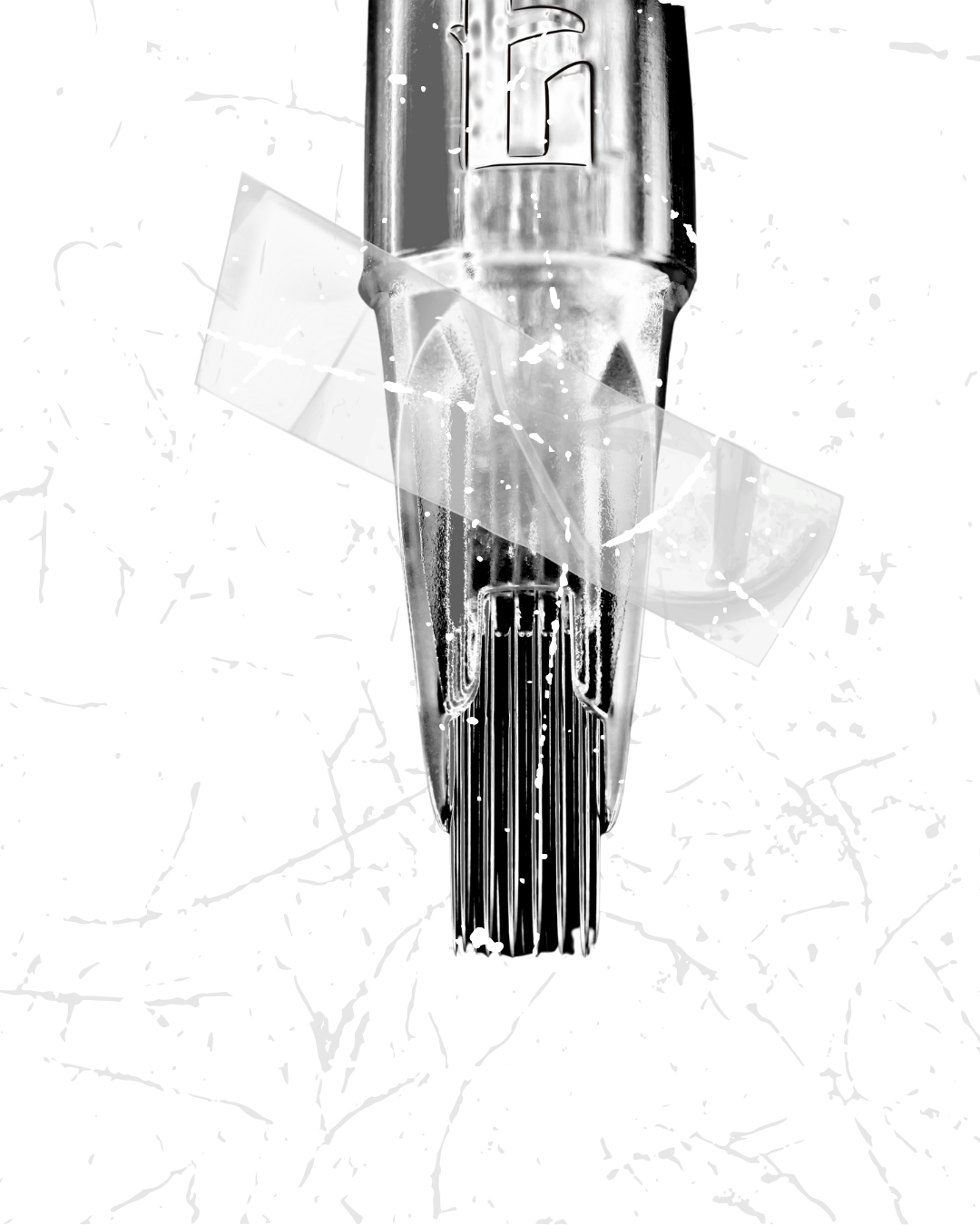
- Stable AF - Featuring the FIRST Double Stabilization Technology (Patent Pending) - Say good bye to needle wobble
- Sharp AF - Crafted with the sharpest 316 Surgical Steel to stay sharp for even the LONGEST sessions
- Affordable AF - Stop paying the premium prices for cartridges - FIRE Cartridges are the same quality as brands like Peak Stellar and Kwadron, but without the excessive pricing.
We're OFFICIALLY changing the meaning of AF to (As Fire)
Use code TRYME20 for 20% off your first order. Use code DISRUPT30 on any Electrum cartridge orders over $500 (FIRE, Gold Standard & PMU) to save 30% every time you order
Shop Premium Tattoo Cartridges


Electrum FIRE Premium Tattoo Needle Cartridges - Round Liner Regular Tight #12
Choose your option


Electrum FIRE Premium Tattoo Needle Cartridges - Round Liner Super Tight #12
Choose your option


Electrum FIRE Premium Tattoo Needle Cartridges - Round Liner Bugpin #8
Choose your option


Electrum FIRE Premium Tattoo Needle Cartridges - Round Power Super Tight Liners #12
Choose your option


Electrum FIRE Premium Tattoo Needle Cartridges - Round Shader #12
Choose your option


Electrum FIRE Premium Tattoo Needle Cartridges - Curved Magnum #12
Choose your option


Electrum FIRE Premium Tattoo Cartridges - Curved Magnum Bugpin #8
Choose your option


Electrum FIRE Premium Tattoo Needle Cartridges - Magnum #12
Choose your option

Made With Love & Good Vibes
We are committed to providing tattoo artists with the best selection of top-quality tattoo products to enhance the craft. Our extensive inventory of tattoo supplies includes premium tattoo inks, tattoo needles, tattoo machines, and cartridge tattoo needles, ensuring you have the essential tools for exceptional artistry.
We also offer a range of medical supplies, such as tattoo anesthetics and ointments, to support safe and comfortable tattooing experiences.
What Tattoo Artists Say About Electrum Tattoo Supplies
"My favorite thing about Electrum's Inks is how smooth it is to saturate and blend pieces! From mixing to applying, it's always so smooth and buttery! It's healed finish is also super satisfying and perfectly pigmented."

"I've been using their stencil transfer gel for years. I was excited to recently find out they offer so much more. Their own stencil paper, tattoo cartridges, grips. Just received my first order and my box had positive vibes all over it. I'm not a girl or anything and I've never used this word before... but it was adorable. Or "Adorbs" if my slang is hip."

"I've been using Electrum Ink for well over a year now when they first launched in Australia.I especially love the quirky and fun names of the colors! Even from my first use I noticed how easily they saturated into the skin and blended. My healed work definitely comes back super vibrant even with pastel colours."

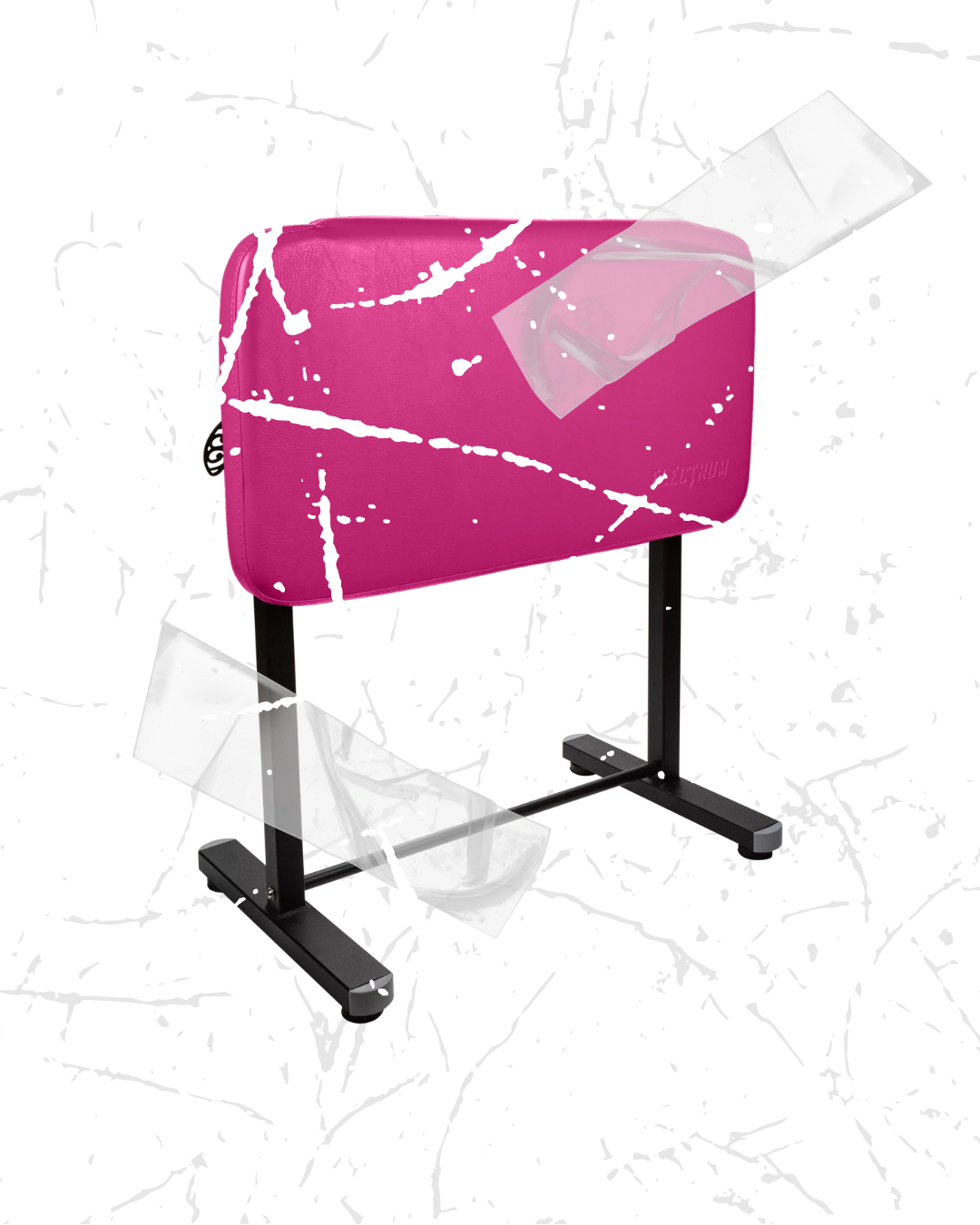
"Searching for an XL (XXL) arm rest, and I’ve had experience with 2 big name brands. One “workshop” and Electrum. I can honestly say the one thing that set these two apart for me was the customer service and willingness to actually hear me, and help."

"The products they supply my tattoo guy make my tattoos so much easier!!! Thank you. He put the clear DERM layer (I think that's what it is called) helped with my healing so so so much!"

"Since I started using their full range, I've experienced the comfort, quality and outstanding performance they bring to the tattoo process. What I love the most is how functional everything is: each product is designed with professional logic, aimed at making every stage of the process easier and more efficient."

"This heals fucking black"

Shop Electrum Merch

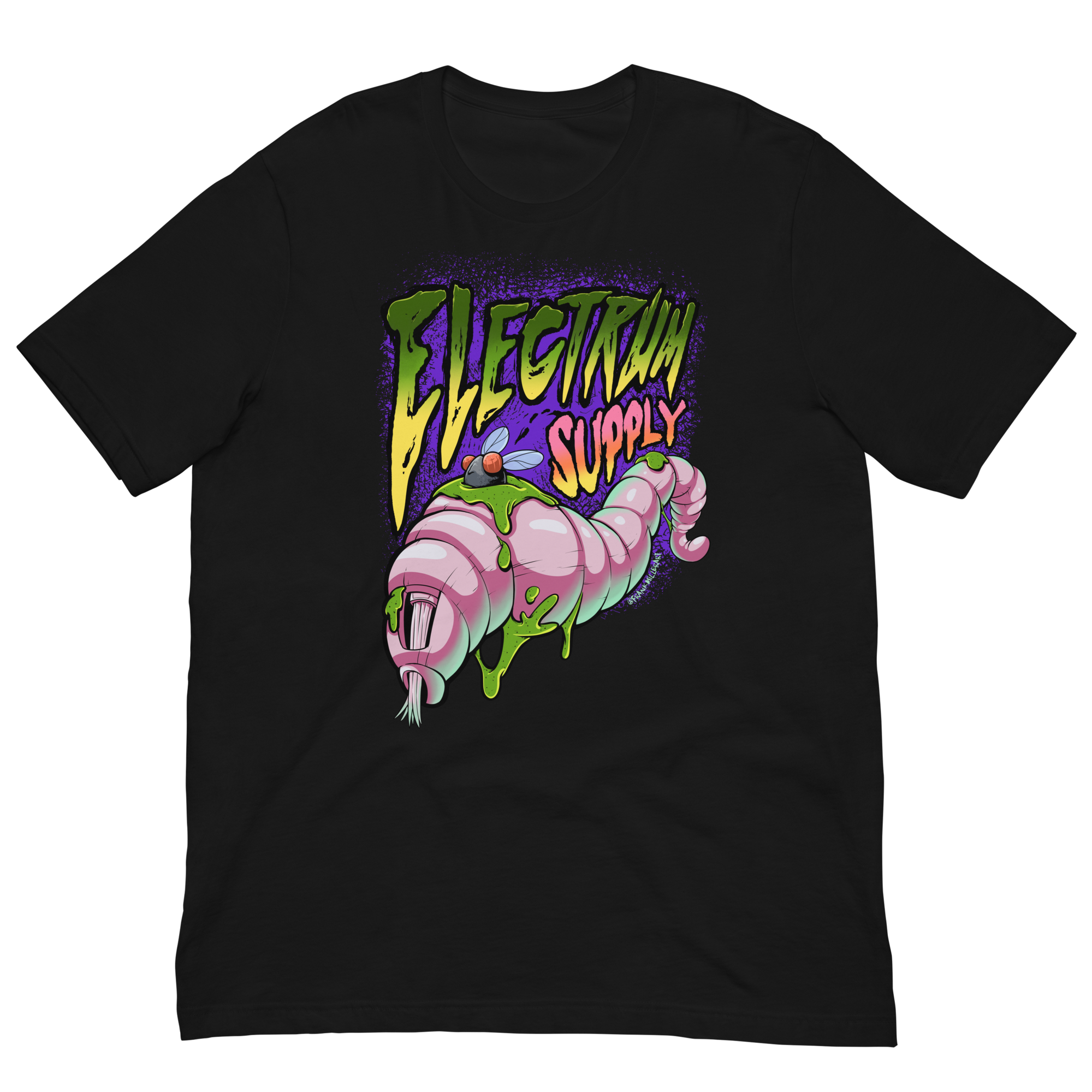
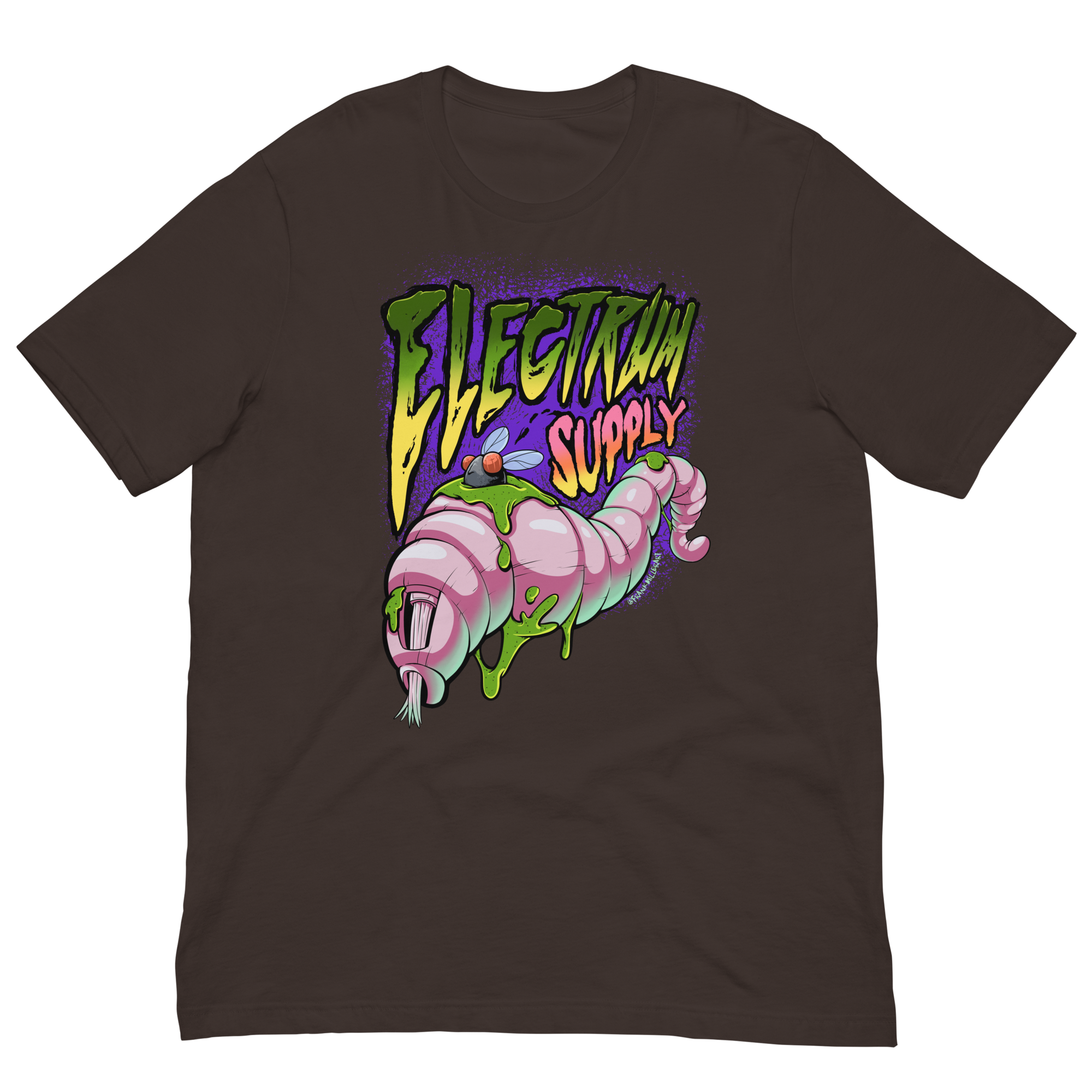
Frank Miller - "Fly Me to the Doom" Tee
Choose your option
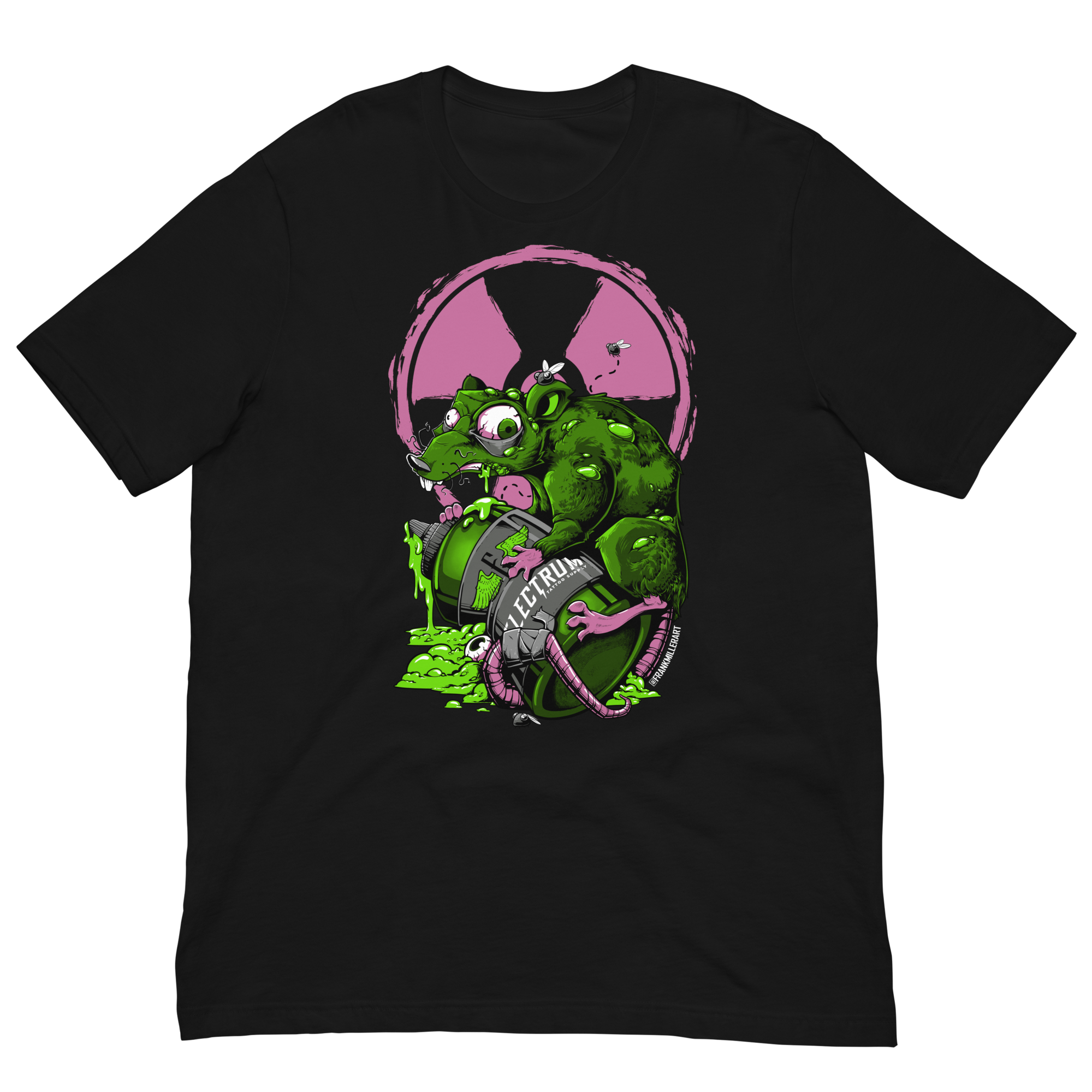
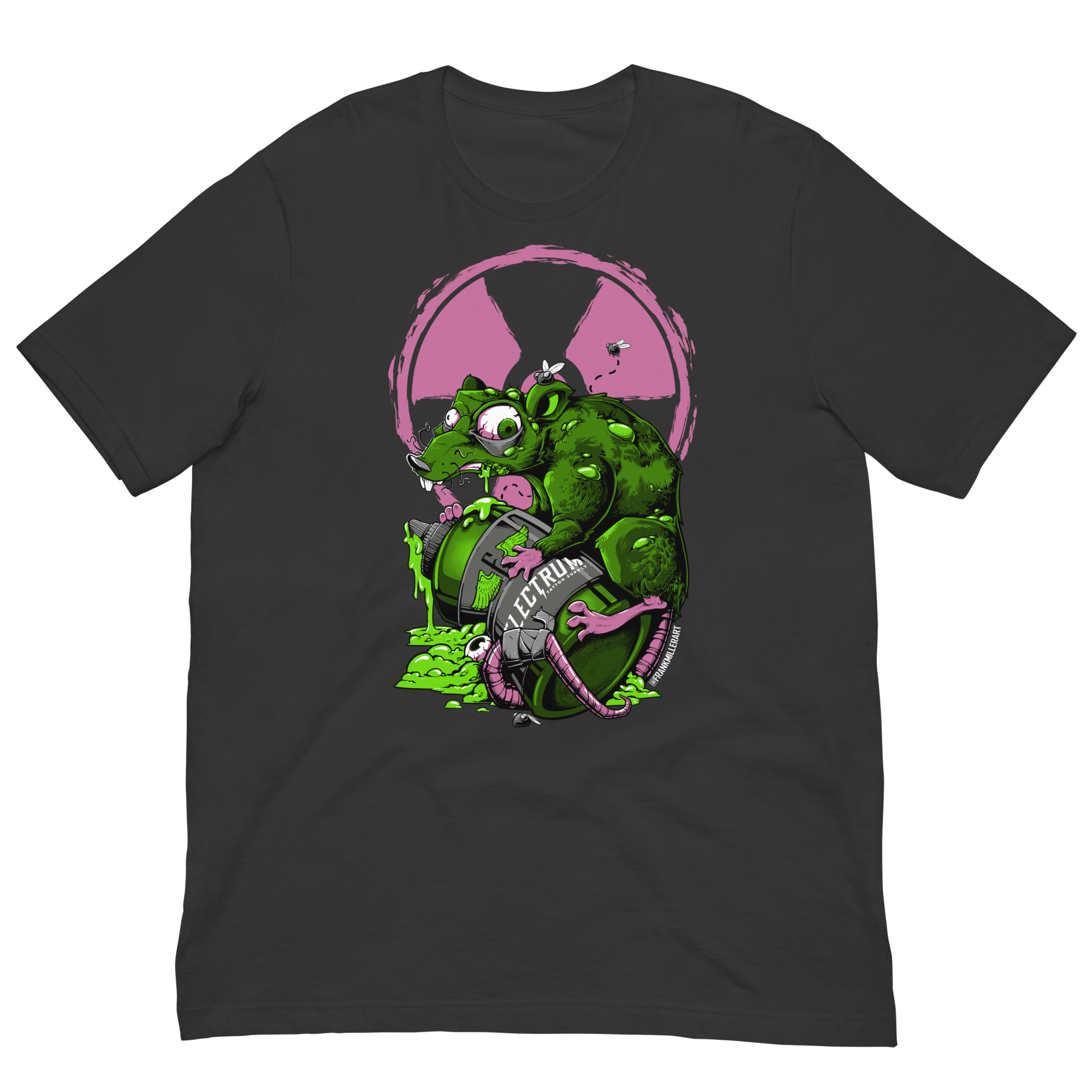
Frank Miller's "Green Gold Cheddar Mutation" Tee
Choose your option
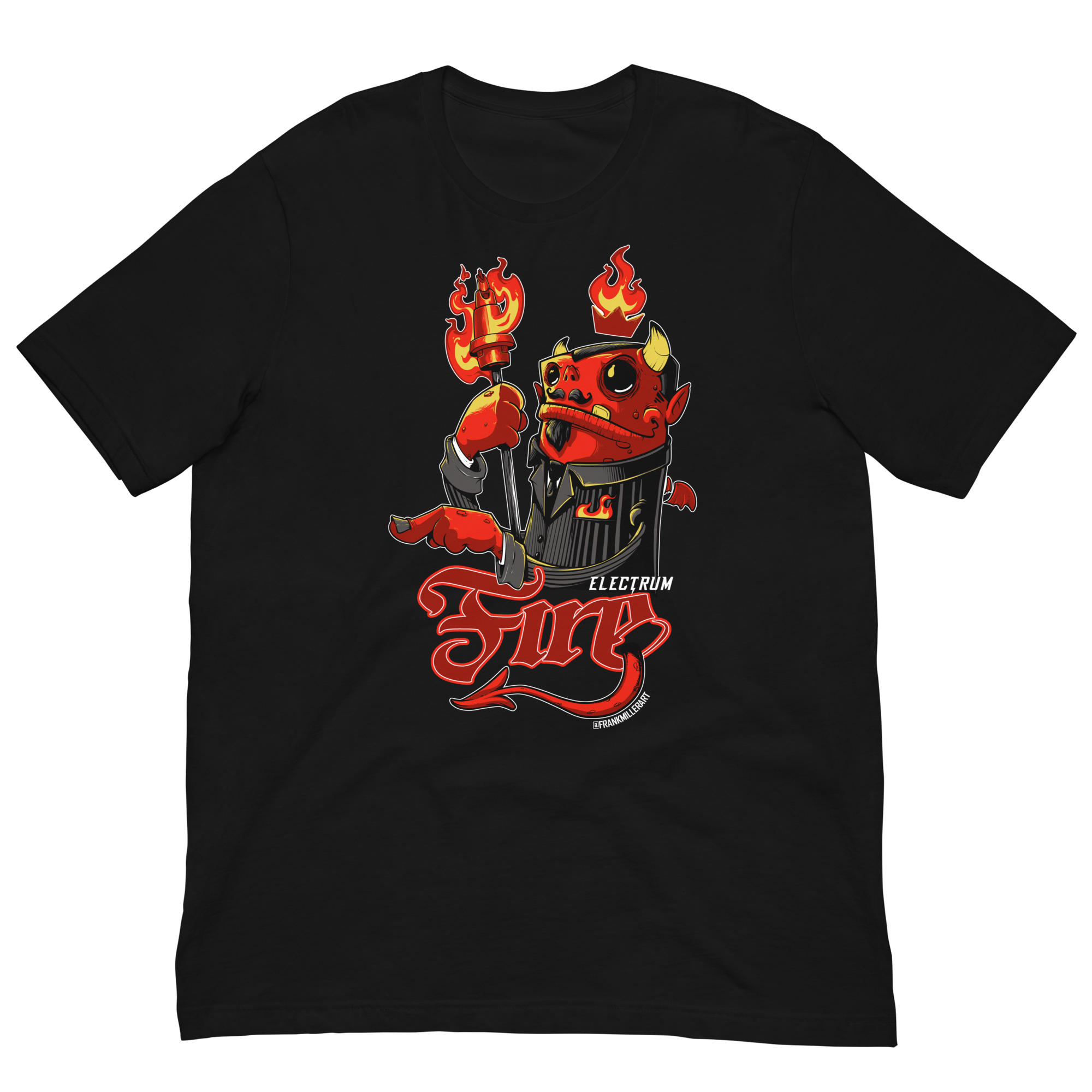
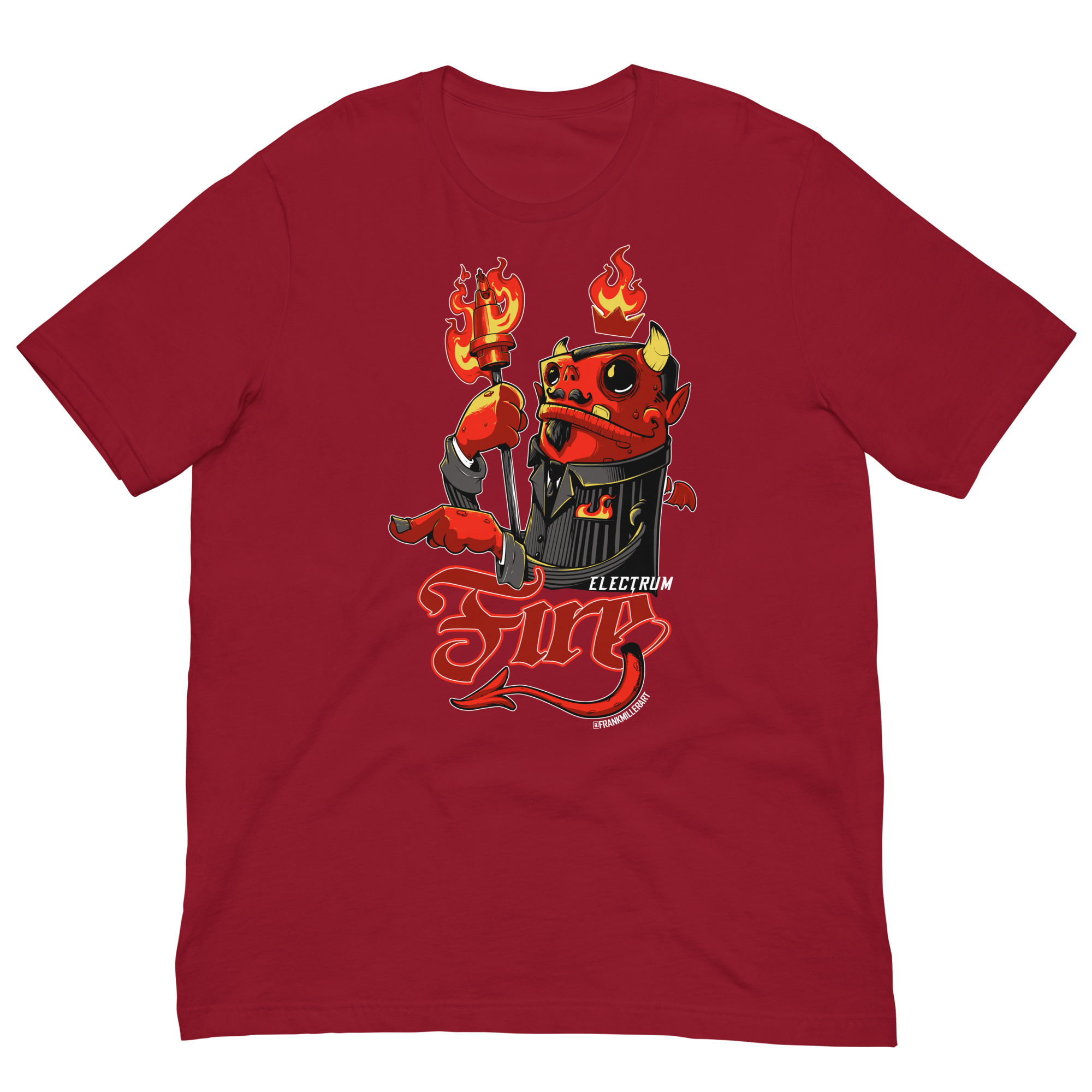
Frank Miller’s "Unholy Saturation" Tee
Choose your option
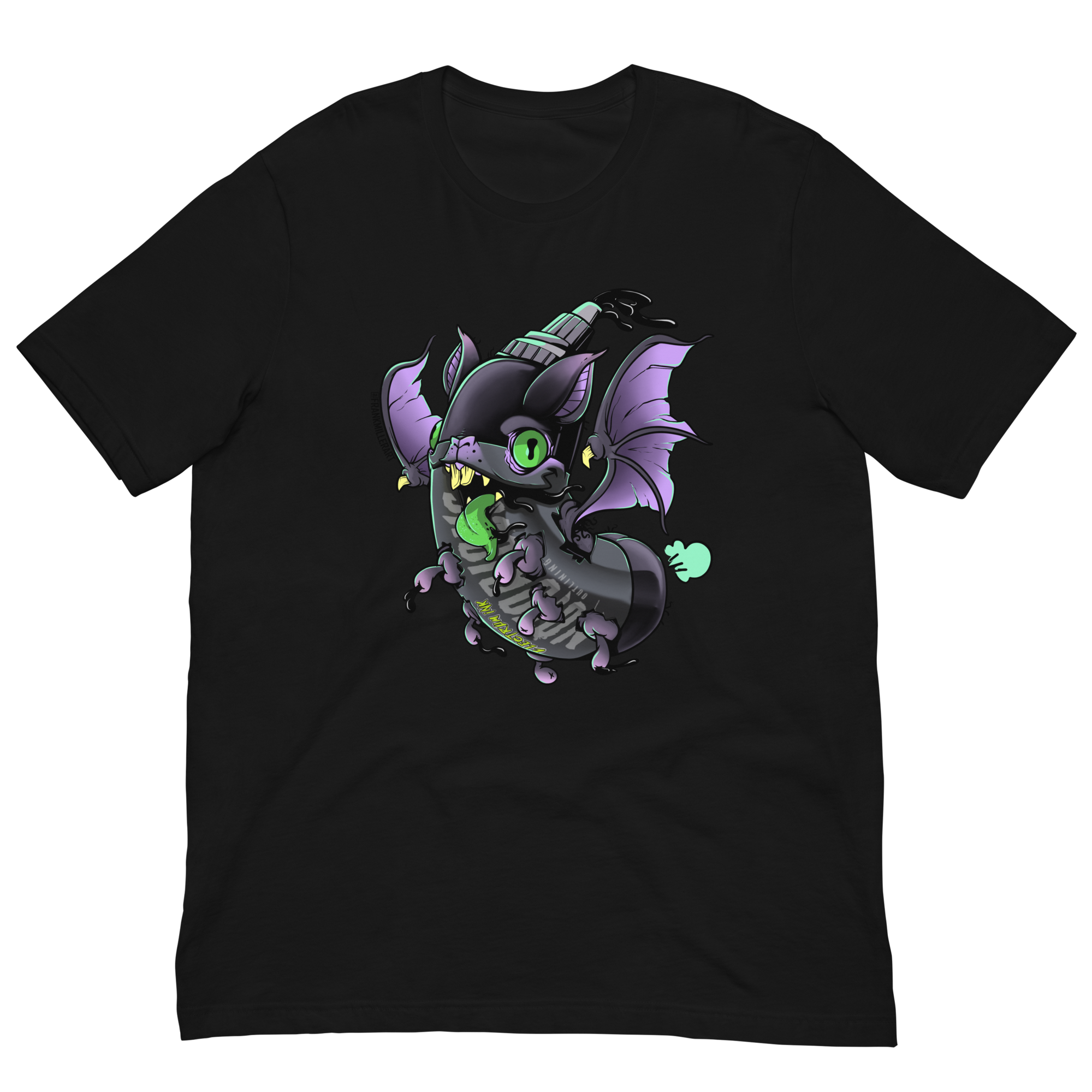
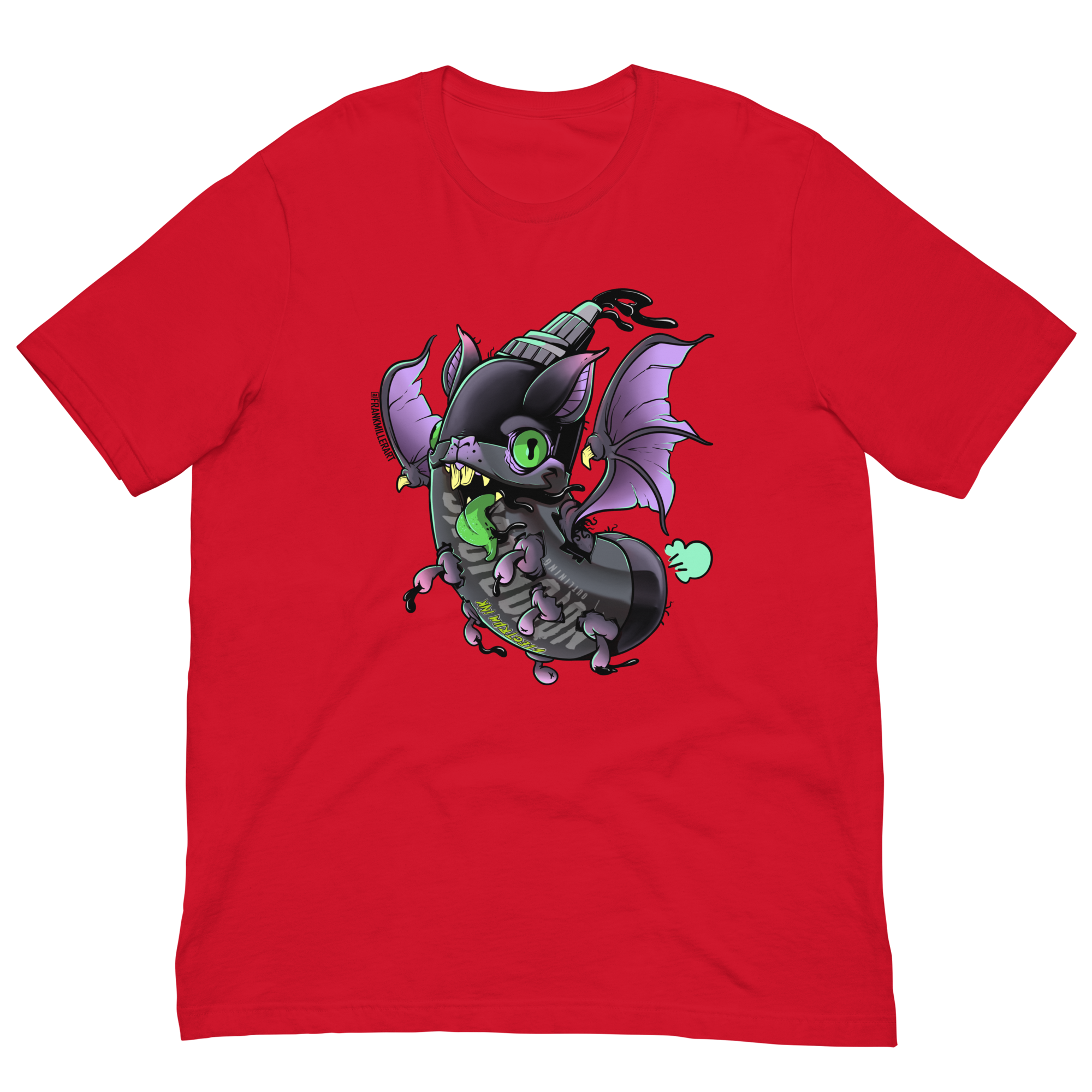
Notorious Ink - "Frankly Batshit" by Frank Miller Tee
Choose your option
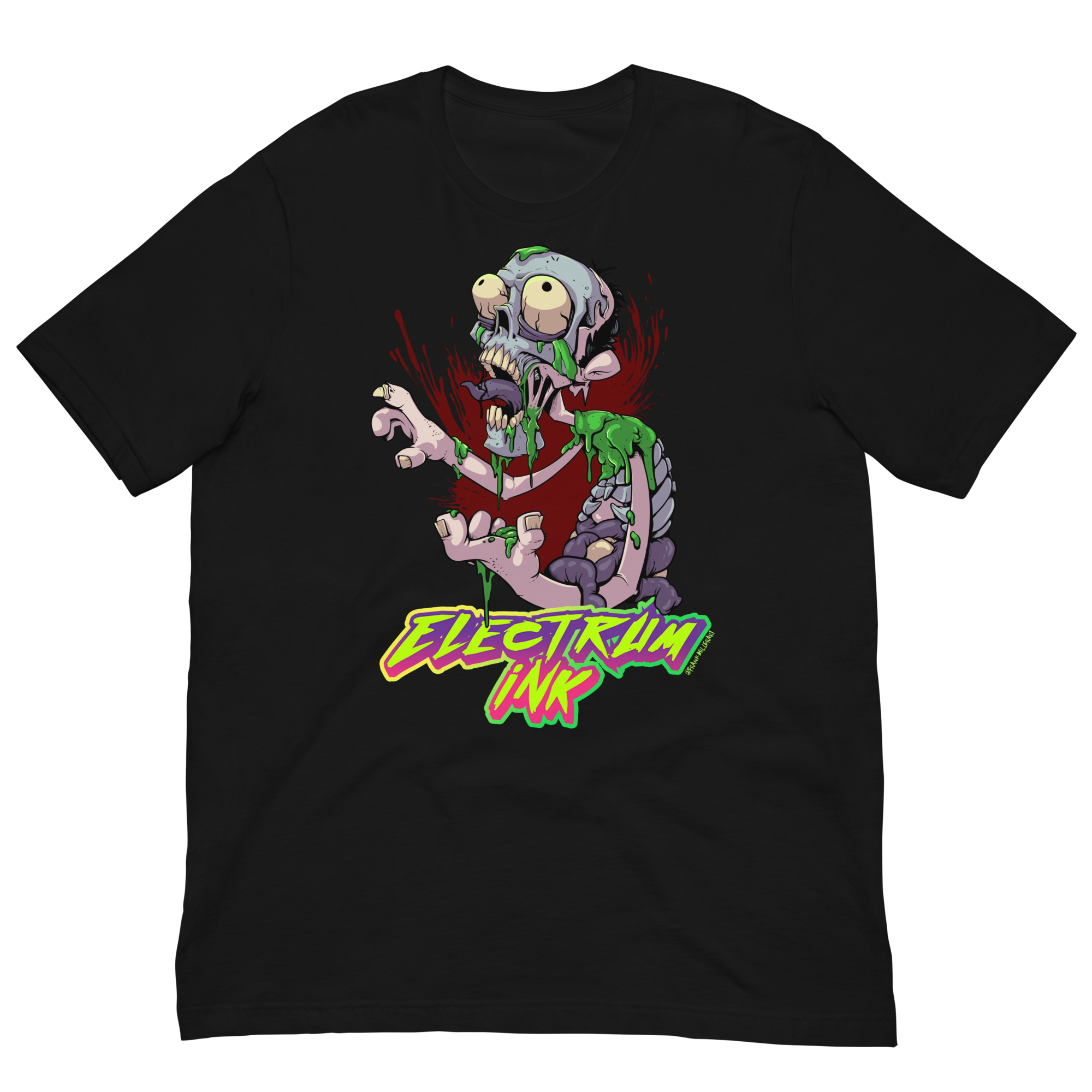
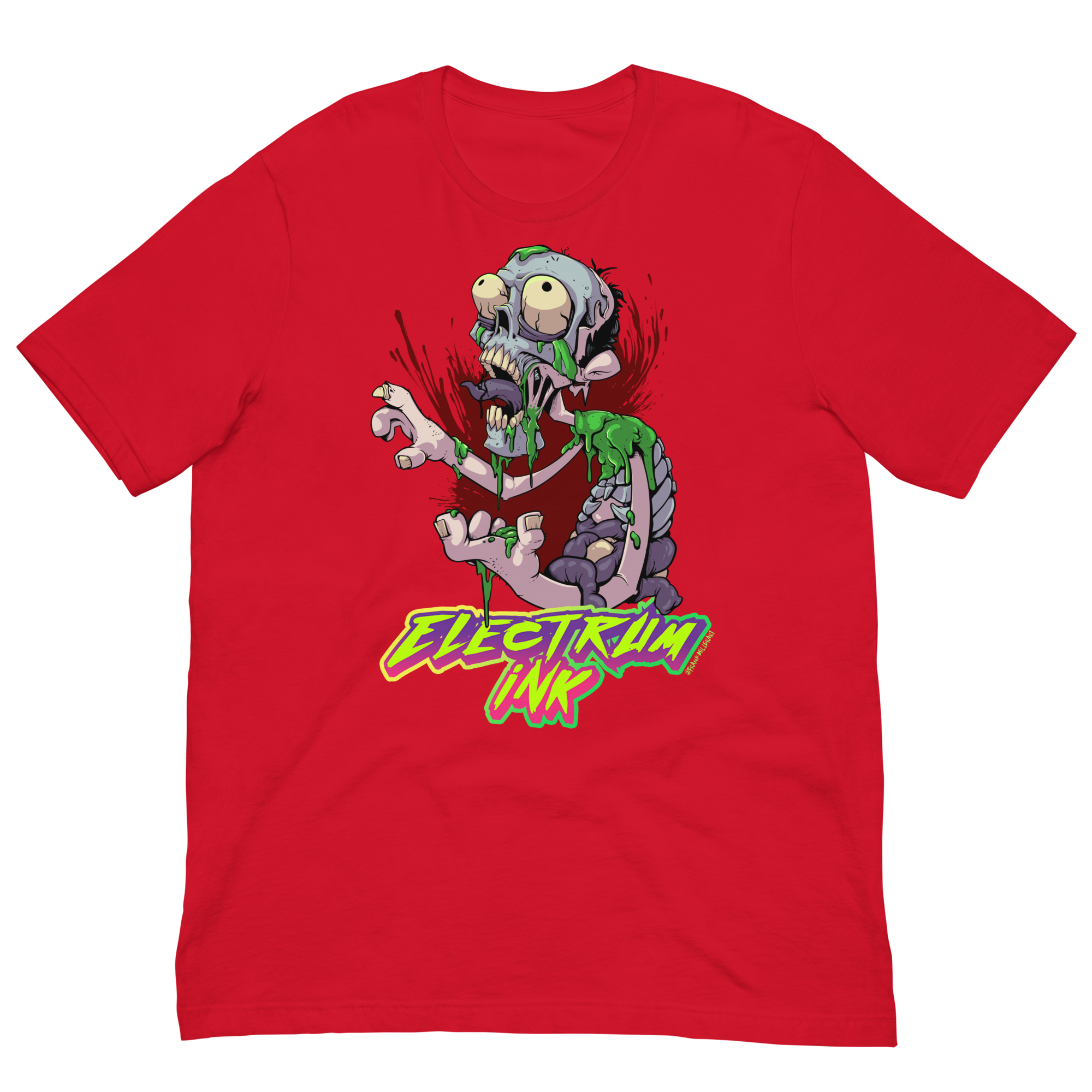
Electrum Ink - Frank Miller's "Zombieeee!" Tee
Choose your option


Electrum Supply Bikini – Pink Glitter Metal
Choose your option


Electrum Ink Hoodie - Black Ink Squad
Choose your option


Electrum Supply Bikini - Flying E
Choose your option
Blog posts

A Beginner’s Guide to Tattoo Needle Groupings
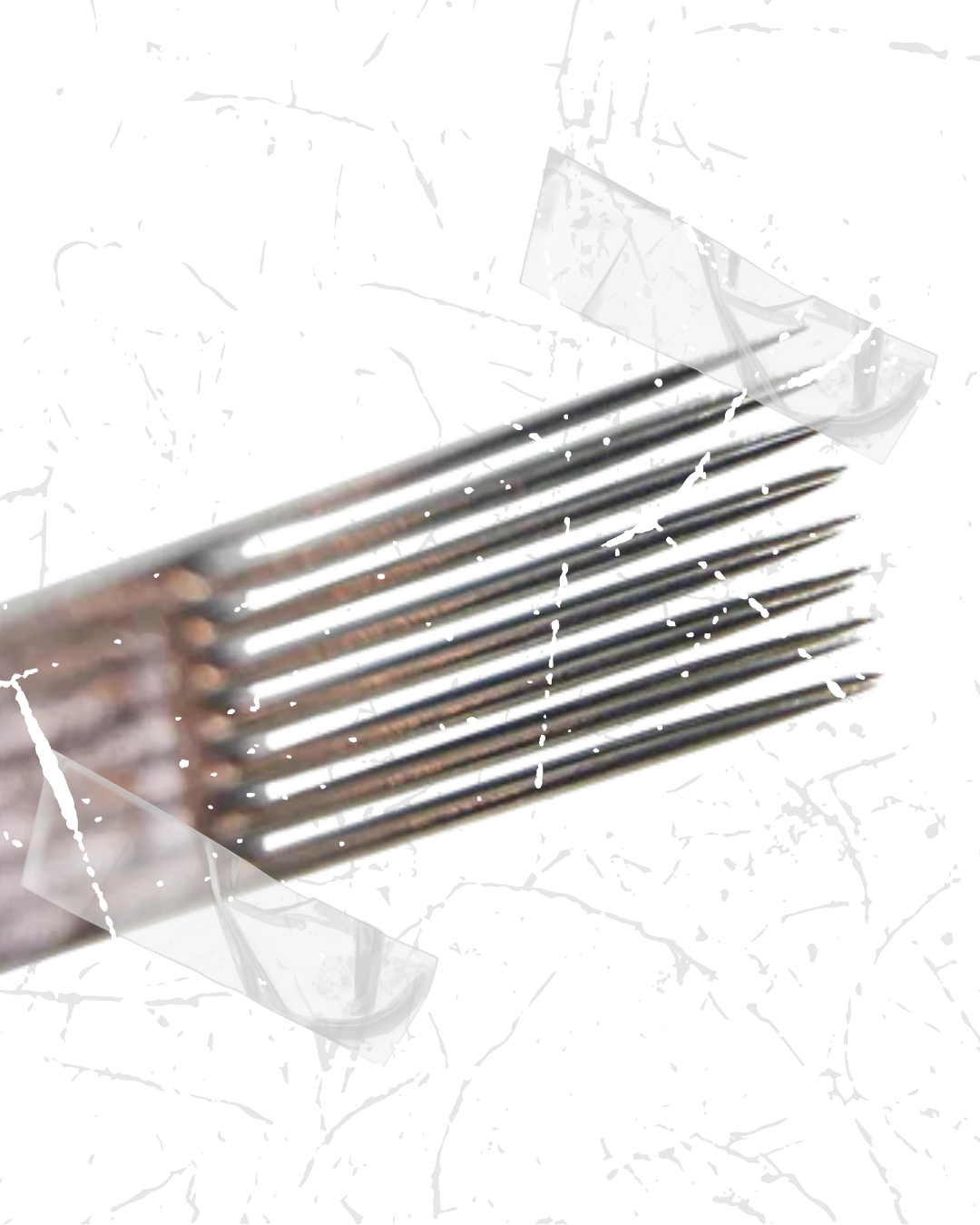
If you don’t understand your needles, you’re tattooing blind. Every apprentice wants to jump straight into machines, ink, and styles — but nothing matters more than mastering the tool that actually enters the skin: your needle configuration. Knowing the difference between liners, shaders, mags, bugpins, tapers, and diameters isn’t trivia.It determines: • depth• trauma• ink flow• line crispness• shading softness• color saturation• how your tattoo heals Here’s the no-fluff breakdown every beginner needs. 1. Needle Diameter: 08, 10, 12 — What It Means Diameter = how thick the individual needles are. 0.25 mm → “08” → Bugpin • super fine• holds less ink• great for soft shading, small lines, and detail• heals smoother but needs more passes 0.30 mm → “10” → Standard Fine • cleaner lines without being too thin• perfect for detail lining and soft shading 0.35 mm → “12” → Traditional • bold lines, strong saturation• holds more ink• great for traditional, bold styles, color packing Rule of thumb:Smaller diameter = softer resultsLarger diameter = bolder results 2. Taper Length: How Sharp the Needle Tip Is Taper = how long the sharpened tip is. Short Taper • deposits a lot of ink quickly• bolder, heavier application• ideal for packing color or bold lining Long Taper • finer, slower ink delivery• more control• perfect for detailed lines or soft gradients Extra-Long Taper • ultra-sharp• precise detail work• less trauma when used correctly• great for micro-line, delicate shading, and little flourishes 3. Basic Needle Groupings (What They Actually Do) RL — Round Liner Needles grouped in a tight circle. Best for:• outlines• detail lines• crisp edges• small flourishes• script• precision work Use a tighter configuration (like Fire Cartridges) for cleaner, consistent lines. RS — Round Shader Needles grouped in a looser circle. Best for:• small fills• soft shading in tight areas• stippling• traditional shading in small sections These are basically a softer RL. MG — Magnum Two rows of needles, stacked like bricks. Best for:• shading• color packing• blending large areas• gradients Magnums are your workhorses for anything bigger than a quarter. CM / Curved Magnum The rows are slightly curved/rounded. Best for:• ultra-smooth blends• soft black-and-grey• gentle transitions• large, even gradients Curved mags reduce track marks and are easier for beginners to handle. Bugpin Mags (08 or 10) Small-diameter magnums. Best for:• super soft black & grey• portraits• realism• smoked-out shading Requires a gentle hand — less ink flow means more control but more passes. 4. What the Groupings Feel Like in Skin Understanding the theory is one thing — feeling it is everything. Liners (RL) Crisp, direct, precise.You’ll feel every vibration. Round Shaders (RS) Softer than RL but not as smooth as mags. Magnums (MG) Glide across the skin.Great for consistent motion. Curved Mags (CM) Feel like “floating.”They naturally avoid digging edges in. 5. Choosing the Right Grouping for the Right Job Small tattoos: 3RL, 5RL Bold traditional: 9RL or 11RL + 11MG Fine line work: 3RL (10 or 08), long taper Color packing: 9MG, 11MG, 13MG Soft shading: 7CM or 9CM (bugpin) Black & grey realism: bugpin curved mags all day A pro knows not just what needle to use — but why. 6. Common Beginner Mistakes Let’s save you some pain: ❌ Using the wrong grouping for the wrong style You can’t pack color with an RL.You can’t line with a mag. ❌ Ignoring skin type Older/thin skin needs gentler tapers and softer mags.Thicker skin handles bolder groupings. ❌ Assuming all cartridges are the same Quality affects stability, ink flow, and trauma.(High-stability cartridges like Fire give beginners smoother control and cleaner consistency.) ❌ Using bugpins without understanding ink flow Bugpins require more passes and a lighter touch. 7. Your Needles Define Your Style Every tattooer eventually develops a “default kit” — the needle groupings they use for 90% of their work. That’s not random. It’s the result of learning: • how you move• how deep you tattoo• the speed you’re comfortable with• the styles you love• how different skin reacts to your technique The sooner you understand your tools, the sooner you develop your style.
Read more
The Business Of Tattooing - Try Doing ANYTHING Else Before Complaining About This Slow Season
Tattooing gets slow. It’s not personal. It’s cycles, spending patterns, weather patterns, and sometimes the universe is just a little hater. But here’s the part no one likes hearing: sitting in your shop mumbling about how “it’s dead” won’t magically summon clients. 1. Gather Client Info (You Know… Like A Business) Tattoo artists love saying “I don’t know how to get clients.” Baby, you had them. They literally sat in your chair. You just never… collected their info. What you need:• Name• Email• Phone• Birthday• Interests (tiny multiple-choice works)• Past tattoos done by you• What they want next What to do with it:• Email them a quarterly newsletter (offers, new designs, studio updates)• A “birthday treat” flash discount• A “Hey, it’s been 6 months, let’s touch up/finish that piece” message Ways to collect this without feeling like a mall kiosk:• Add an iPad at checkout with a form• QR code on your front desk• Link in your bio for “studio updates + first-to-know drops”• Run a “Giveaway only for my mailing list” every few months People want to be contacted when it’s relevant. Just don’t be weird about it. 2. Fix Your Bio, Link, Highlights, and Grid Clarity beats aesthetics. Bio checklist:• Your city• Your style• Your booking link• A reason to book you Highlights:• Healed work• Aftercare• Available flash• FAQ• Prices/start rates Grid:Mix of:• Tattoo photos• Videos• Behind the scenes• Your face• Healed pieces• Flash• Offers People can’t book you if they don’t understand you. 3. Make Something. Anything. Slow season is creation season. • Draw new flash• Design a print• Build a healed gallery• Reorganize your booking process• Shoot a “day in the life”• Try a new cartridge group (Fire will make you feel like a god, by the way)• Set up retail in your studio (aftercare, prints, merch)• Test new workflows (Electrum Cleanse instead of harsh soaps) Motion creates momentum.Momentum creates bookings. 4. Email People Back Like It's 2019 You know what clients complain about most?Artists not replying. Set aside 30 minutes a day.Answer your emails.Follow up with old inquiries.Send price ranges, next steps, and booking instructions. This isn’t rocket science.It’s basic professional behaviour. 5. Build Community Instead of Waiting for One • Collaborate with a piercer• Make a “flash Friday” event• Host a meet-and-draw night• Ask other local businesses if you can leave cards or stickers• Donate a gift certificate to a fundraiser• Ask clients to send healed photos• Repost every healed photo in a highlight called “Healed” The artists who stay busy are the ones who stay visible. 6. Make a Website (Really. 2026 is coming. Be serious.)** You do not need a masterpiece. You need something functional. Bare-minimum pages:• Portfolio• About you• Booking form• Prices or starting rates• Aftercare• Shop location + hours• FAQ Easy tools that won’t fry your brain:• Wix• Squarespace• Shopify (if you want to sell prints or merch too) Your Instagram is not your website.Your booking link is not your portfolio.Your clients are confused, even if they’re too polite to say it. 7. Make Clear Offers (‘I have flash’ tells me nothing)** Artists keep posting the same three phrases:• “Books open”• “I have flash”• “DM to book” It’s vague. It’s giving: “please fail me harder.” Clear, irresistible offers look like:• “Three palm-sized floral designs available this month, $250 each, colour or black.”• “One last-minute spot tomorrow 3pm. Pick from these designs.”• “$100 off multi-session projects booked before Sunday.”• “These four flash pieces are pre-sized, pre-priced, and ready to go.” Tell people what you want them to buy.Humans love being explicitly guided. 8. DM People (And Relax, This Isn’t Begging) Don’t send “hey do you wanna book?” like some desperate Craigslist ad. This is how you do it: Human messages that actually work:• “Hey, I saw you got your first tattoo recently. How’d it heal?”• “You liked my post about lettering yesterday. Are you planning something?”• “Saw your story about your birthday. If you ever want a birthday tattoo, I’d love to design something.”• “Thanks for following. If you ever need inspo, I’ve got tons saved.” You’re not asking for a booking.You’re building rapport. People book tattoos with artists who feel like people, not robots holding machines. 9. Post Useful Stuff (Not Just Finished Tattoos) When it’s slow, educate. Teach. Share knowledge. Post things clients save because it’s useful. Ideas grounded in actual audience behaviour:• “Tattoo placement guide for first timers”• “What to wear for your tattoo appointment”• “How to choose reference photos”• “Tattoo pain chart”• “Healing week by week”• “Things I wish clients knew before their first big piece”• “Why good tattoos take time” If you’re constantly delivering value, people don’t forget you. 10. Talk on Camera (Quit Overthinking Your Face) Video performs better than photos. This isn’t a vibe; it’s every platform’s documented behaviour. But artists avoid video like it’s a hex. Stuff you can talk about without planning a TED Talk:• “Here’s a mistake beginners make in tattooing…”• “Designs I wish clients would ask for”• “Why artists charge what they charge”• “How to prep your skin before a tattoo”• “How lines heal vs how lines look day one”• “One thing I won’t tattoo anymore and why”• Time-lapse of a stencil• Your set-up (bonus points if you show Fire Cartridges, duh) The camera wants your voice, not your perfection. Slow seasons are inevitable.What you do during them is optional. This industry rewards the artists who act, build, talk, show up, and try.Not the ones sighing into their coffee. Now go do literally anything except complain. That’s the whole newsletter.
Read more
The Art of Stretching Skin: The Secret to Clean Lines and Smooth Shading
If your lines look shaky, patchy, or unpredictable — it’s probably not your needle. It’s your stretch. Every apprentice obsesses over needles, voltage, cartridges, machines, grip size — but the unglamorous truth is this: If your stretch sucks, your tattoo will suck.Period. Master the stretch and suddenly your linework sharpens up, your shading smooths out, and your blowouts drop dramatically. It’s the least flashy skill in tattooing… and the most important. Let’s break down how to stretch skin like a professional instead of like a panicked raccoon. 1. The Golden Rule: Flat Skin = Predictable Needle Tattoo needles don’t work well on soft, loose, bunched-up skin.Loose skin absorbs the needle. Flat skin guides it. A perfect stretch gives you: • cleaner line edges• smoother shading gradients• predictable depth• fewer skips• less trauma If your tattoo feels like a fight?Your stretch is losing. 2. Use the Triangle Stretch (Non-Negotiable) Every pro uses this — and every beginner avoids it until someone forces them. How it works: You use three points of tension, creating a triangle that flattens the skin evenly in all directions. • Your tattooing hand grips and anchors• Your stretch hand pulls in one direction• Your thumb or fingers pull in the opposite direction This is how you create a true flat canvas — not a “kind of pulled” one. If you’re only pulling in one direction, the skin is still loose on the opposite end. And that’s where your line wobbles. 3. Your Stretch Hand Works Harder Than Your Tattooing Hand Apprentices try to control everything with the needle hand.That’s backwards. Real control comes from: the stretch + body position + angle Your tattooing hand should glide.Your stretch hand should be doing the labor. If your line is shaky, tighten your stretch.If your shading is patchy, tighten your stretch.If you’re overworking skin, tighten your stretch. 4. Stretch Toward the Direction You’re Tattooing Here’s a mistake every beginner makes: Stretching against their line pull. If your line is moving north, you pull the skin north.If your line is curving, you rotate your stretch with the curve.If your line is long, you walk your stretch hand along the line like a rail. Stretch supports your motion — it doesn’t fight it. 5. Use Your Whole Hand, Not Just Your Fingers Don’t claw at the skin with your fingertips.You’ll slip, lose tension, and drag your stencil. Instead: • plant your palm• press with your thumb pad• anchor with the heel of your hand Think of your hand as a clamp — not a grab. 6. Move Your Body, Not Just Your Wrist Your stretch should stay constant throughout the stroke.If you’re trying to keep your wrist twisted, bent, or overextended, your tension will fail halfway through the line. Shift your: • hips• chair• arms• shoulders The goal is a stable line of motion with a stable stretch. 7. Know Which Body Areas Need Extra Stretch Some skin is naturally soft and unforgiving: • ribs• stomach• inner bicep• elbow ditch• hip• butt• neck• armpit These areas REQUIRE a strong triangular stretch or your lines will wobble like drunk spaghetti. Other areas are naturally tight: • shin• forearm• outer bicep• thigh Easier canvas — but don’t get lazy.Lazy stretch = blowouts. 8. When Stretch Fails, Everything Fails If you see: • shaky lines• patchy shading• too-deep lines• inconsistent packing• blown-out edges• stencil smearing• machine struggling …you don’t need a new machine.You need a better stretch. 9. Practice Stretching Without Tattooing Seriously.Put gloves on and practice stretching different body parts on fake skin laid over towels, on friends, on yourself.Learn how skin moves: • long stretch vs. short stretch• tight pull vs. gentle pull• folding vs. flattening• loose areas vs. tight areas The better you understand skin, the better your tattooing will feel instantly. 10. Stretching = Professionalism Clients feel the difference.A clean stretch: • hurts less• looks smoother• feels more secure• creates trust• produces crisp, clean, confident tattoos Perfect linework and smooth shading aren’t just technical skills — they’re physical ones. Stretching is the bridge between your technique and the client’s skin. If you can master: ✔ the triangle stretch✔ tension in the direction of movement✔ full-hand pressure✔ stable body positioning✔ adjusting for different skin types Then suddenly everything becomes easier. Clean lines aren’t magic.Smooth shading isn’t luck.It’s all tension.
Read more